Bioreginal understanding and term usage needs to be grounded and respectful of its importance.
Legitimacy is there for of crucial importance. Initiators Legitimacy: - Sense of Place: are initiators from the place? - Sense of Bioregion: what do they care for ? Does it include all the Bioregion? - Representation: the initiators have recognised legitimacy to represent the bioregion? The above should not demotivate the Initiators, hopefully they constitute a good set of guidelines for someone in the Bioregional DHO Journey. # New Language for new systems # Organization evolution ## Organisation Images and Metaphors The last 2 centuries the most used image for organisation was the [Machine](https://www.amazon.com/Images-Organization-Gareth-Morgan-ebook/dp/B00Y3JFZ68). Our organisational language is loaded with terminology alluding to this image. Alternative images best inform and define our evolutionary journey: 1. > **Flux and Transformation**: an organisation is an ever-changing system indivisible from its environment 2. > **Organism**: an organisation is a collective response to its environment and, to survive, must adapt as the environment changes If we understand a DHO is a living part of an ecosystem in a permanent flow and transformation, to concepts become important: *[Autopoiesis](https://en.wikipedia.org/wiki/Autopoiesis): (from [Greek](https://en.wikipedia.org/wiki/Greek_language "Greek language") αὐτo- (auto-) 'self', and ποίησις ([poiesis](https://en.wikipedia.org/wiki/Poiesis "Poiesis")) 'creation, production') refers to a [system](https://en.wikipedia.org/wiki/System "System") capable of reproducing and maintaining itself by creating its own parts and eventually further components.* Exopoiesis: "In exopoiesis, an organism functions not for its own benefit, but rather for the benefit of something related to it, to which it is therefore of instrumental value.Tabbi, Joseph (2002) Cognitive Fictions. A DHO Journey is a journey into decentralisation requiring new language, new thinking, new concepts, new images, new metaphors and new stories. Also [Frederic Laloux's ](https://www.reinventingorganizations.com)*[Reinventing Organization](https://www.reinventingorganizations.com)s* used [Integral Theory](https://en.wikipedia.org/wiki/Integral_theory_(Ken_Wilber)) approach to classify organisations, from which a Teal organisation seams to be relevant bases for a DHO. More in [https://reinventingorganizationswiki.com/theory/organizational-structure/](https://reinventingorganizationswiki.com/theory/organizational-structure/) [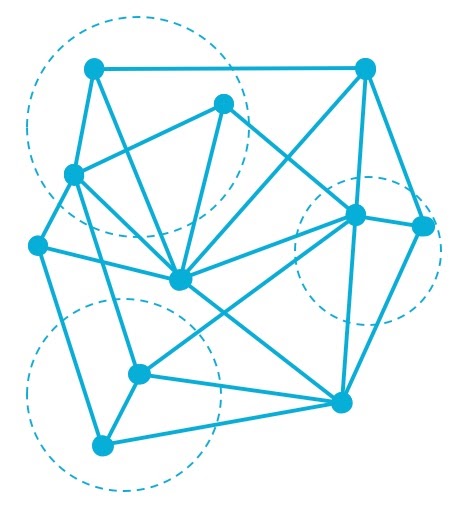](https://guide.hypha.earth/uploads/images/gallery/2021-05/self-managing-structures.jpg)[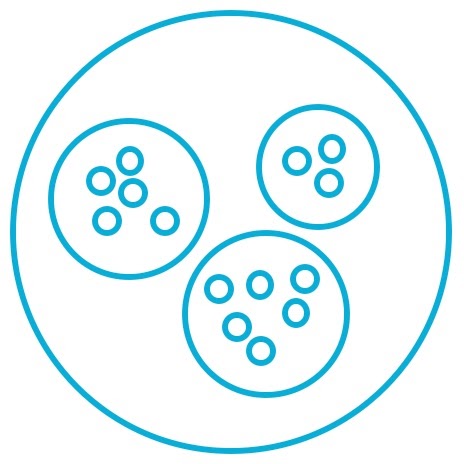](https://guide.hypha.earth/uploads/images/gallery/2021-05/self-managing-structures-nested-teams.jpg) Both the Web of interconnected individuals or the Nested [Holonic](https://guide.hypha.earth/Holonic) circles are good graphical bases for the DHO organisation archetypes. While the above are good bases for the [Organisation DHO archetype](https://guide.hypha.earth/books/dho-journey/page/before-starting-the-dho-journey "Before starting the DHO Journey") they come short for the remaining archetypes. [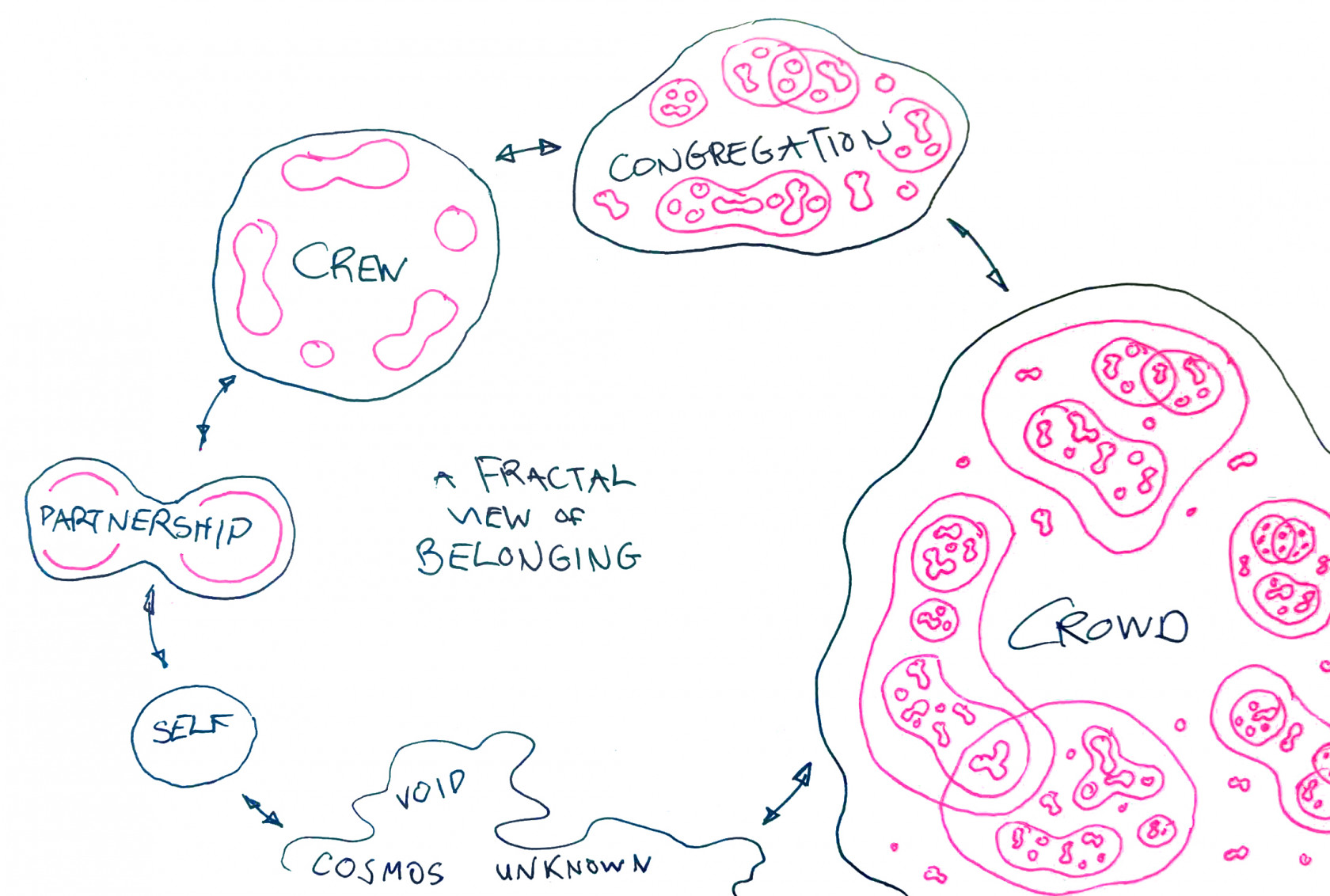](https://guide.hypha.earth/uploads/images/gallery/2021-05/fractal-map-of-belonging-edited.jpg) Richard D. Barlett [Micro-solidarity](https://www.microsolidarity.cc) exploration reveals some natural patterns of humans coming together. These ideas are relevant for any Type of DHO. # Symmatesy Living Systems Learn ## Symmatesy Living Systems Learn [Symmatesy](https://norabateson.wordpress.com/2015/11/03/symmathesy-a-word-in-progress/) results from the understanding of a livings system as a interdependent learning relation. > ***Symmathesy*** Greek prefix Syn/ Sym (together) + Mathesi, (to learn) =***Learning together* *(Pronounced: sym- math-a-see)*** > > Symmathesy (Noun): An entity composed by contextual mutual learning through interaction. This process of interaction and mutual learning takes place in living entities at larger or smaller scales of symmathesy. > > Symmathesy (Verb): to interact within multiple variables to produce a mutual learning context. Symmatesy concept allows us to establish a very relevant continuum for live and living systems. The question of what is the system learning is there for revealing of its vitality. A DHO as a Learning hedge if made explicit its implementation gains strength. # New Visual Language ## New Visual Language [Manuel Lima](https://www.ted.com/talks/manuel_lima_a_visual_history_of_human_knowledge?language=en) systematises the graphical aspects of this new language in the next figure. [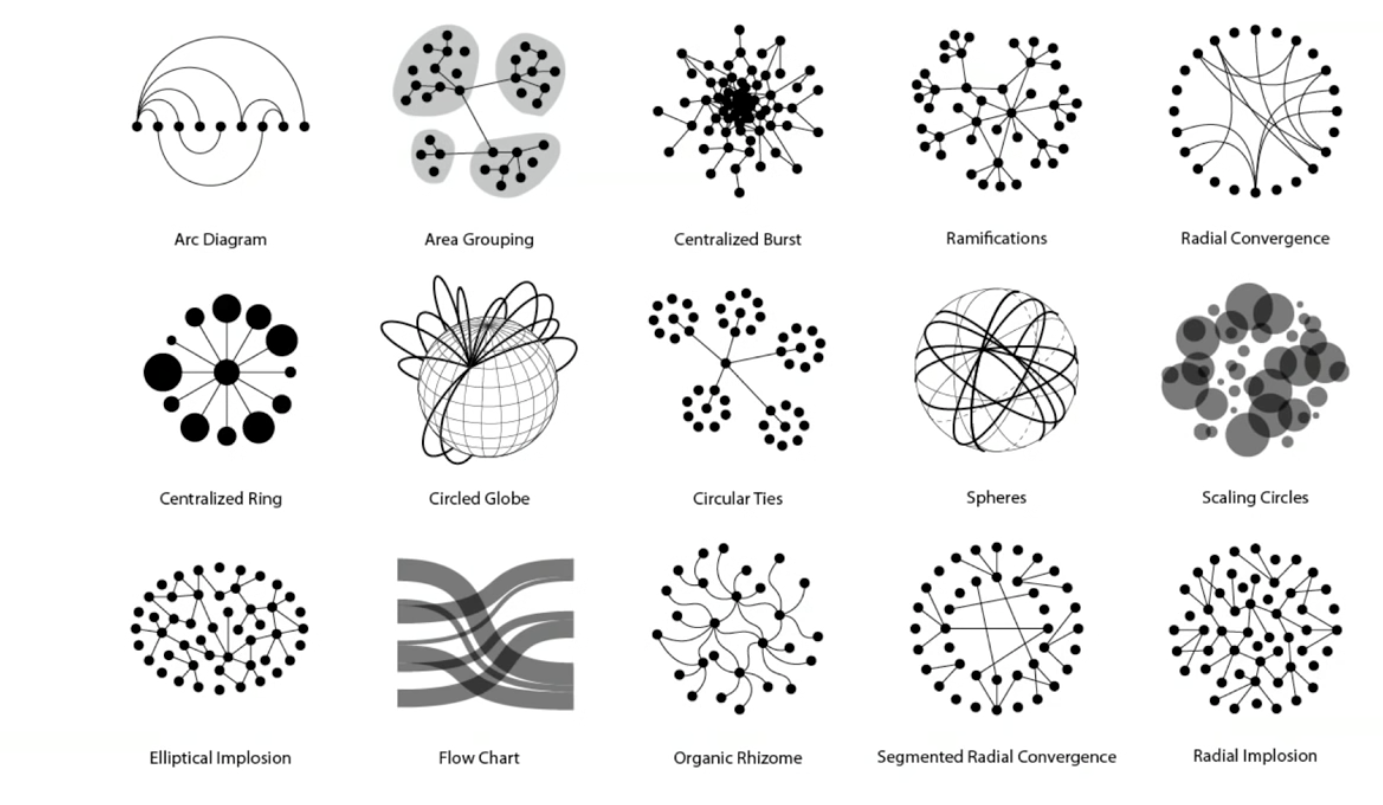](https://guide.hypha.earth/uploads/images/gallery/2021-05/system-language.png) The above images are helpful for DHO adventurers reflections and mapping off their organisations. What image better describes your DHO possibility? # Human Collectives Skeletons, Scaffolds & Membranes ## Human Collectives Skeletons, Scaffolds & Membranes How to evolve the idea of structure of an organisation and why is it needed? We humans need some sense of structure. Structures frequently bring emotional, relational stability. If every thing is fluid we might receive it as chaotic and unsafe. In organisational context structures alude to various dynamics: - What Processes, Rules and Norms - Governance, Financial resources and power and authority distribution - Roles design - Sense Making, Control and achievement monitoring What informs the above, in the present world, is a mechanistic way of thinking. So we lay out a different, natural or ecological way of thinking proposition. #### Scaffolding Scaffolding elements are critical for healthy growth and support. In a Movement of Movements one can think of Scaffolding elements one entity can provide to the other. If your goal is to build a village, or a community or an organisation, what are the support structures needed for such endeavour? Exemple and types of Scaffolding structures: - > Temporary structures that **building crews** use when constructing or maintaining buildings. Once the building is complete, the scaffold is removed i.e. doesn’t become part of the structure, but enables its construction. - > A second kind of scaffold can be seen in skin grafts. An internal scaffold made of shark cartilage and cow-derived collagen, the protein found in all connective tissue is applied to the burn wound. The bottom layer of the collagen scaffolding — the part that makes contact with the wound surface — is covered with a sugar molecule that mimics the texture of the lower surface of the skin. This texture activates skin cells in the body called fibroblasts to start generating human collagen. As the body produces more and more collagen, the connective tissue begins to work its way up the artificial scaffolding, slowly building a new dermis. Over time the artificial scaffolding dissolves away, leaving no trace of the implant. (Source: [https://health.howstuffworks.com/skin-care/information/anatomy/skin-graft5.htm)](https://health.howstuffworks.com/skin-care/information/anatomy/skin-graft5.htm%29) - > Thirdly there are scaffolds that aren’t removed and don’t dissolve away; they persist as part of the structure, but are transformed in the process. An example of this is the [Bionic Cardiac Patch](https://news.harvard.edu/gazette/story/2016/07/the-bionic-cardiac-patch/) ... formed by seeding nanoscale electronic scaffolds or mesh-like structures with cardiac cells. Once the cells have regenerated cardiac tissue and the patch has formed, the electronic components from the original scaffold are integrated throughout the tissue, creating an “internal pacemaker” able to detect arrhythmia and deliver correcting electrical shocks far sooner and operating at far lower voltages than traditional pacemakers. Most fascinating is that latest research shows it may be possible in future to simply do a co-injection of cells with the mesh, enabling the patch to self-assemble inside the body vs using invasive surgery. These are some examples of human scaffolds: - - Startup Incubation and Seed investment programs - Education System - Healthcare system - (...) Viewing some of these systems as Scaffolds structures can help us reframe the question of what are they building pre-structures for? Are such Scaffolds pre-structures of development or do they create dependency and interference in the being.What Scaffolding is needed to be in-place to support your journey?
### Structure as Skeleton 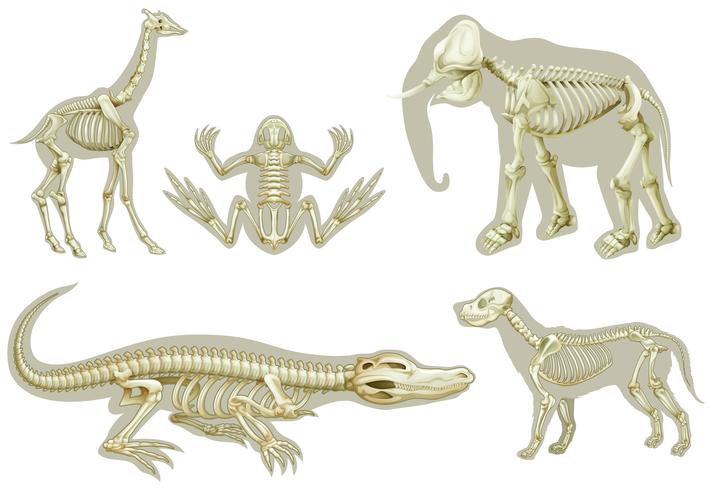 In Nature, skeletons allow beings to grow, move, develop. Give support to the substance of the being. An **endoskeleton** (From Greek ἔνδον, éndon = "within", "inner" + σκελετός, skeletos = "skeleton") is an internal support structure of an [animal](https://en.wikipedia.org/wiki/Animal), composed of [mineralized tissue](https://en.wikipedia.org/wiki/Mineralized_tissues). An **exoskeleton** (from Greek έξω, éxō "outer" and σκελετός, skeletós "skeleton"[\[1\]](https://en.wikipedia.org/wiki/Exoskeletons#cite_note-OnlineEtDict-1)) is the external [skeleton](https://en.wikipedia.org/wiki/Skeleton) that supports and protects an animal's body, in contrast to the internal skeleton ([endoskeleton](https://en.wikipedia.org/wiki/Endoskeleton)) of, for example, a [human](https://en.wikipedia.org/wiki/Human_skeleton). In usage, some of the larger kinds of exoskeletons are known as "[shells](https://en.wikipedia.org/wiki/Armour_%28anatomy%29)". Examples of animals with exoskeletons include [insects](https://en.wikipedia.org/wiki/Insect) such as [grasshoppers](https://en.wikipedia.org/wiki/Grasshopper) and [cockroaches](https://en.wikipedia.org/wiki/Cockroach), and [crustaceans](https://en.wikipedia.org/wiki/Crustacean) such as [crabs](https://en.wikipedia.org/wiki/Crab) and [lobsters](https://en.wikipedia.org/wiki/Lobster), as well as the shells of certain [sponges](https://en.wikipedia.org/wiki/Sponges) and the various groups of [shelled molluscs](https://en.wikipedia.org/wiki/Mollusc_shell), including those of [snails](https://en.wikipedia.org/wiki/Snail), [clams](https://en.wikipedia.org/wiki/Clam), [tusk shells](https://en.wikipedia.org/wiki/Tusk_shell), [chitons](https://en.wikipedia.org/wiki/Chiton) and [nautilus](https://en.wikipedia.org/wiki/Nautilus). Some animals, such as the [tortoise](https://en.wikipedia.org/wiki/Tortoise), have both an endoskeleton and an exoskeleton.What being are you relating to and what skeleton will the being need?
### Membrane 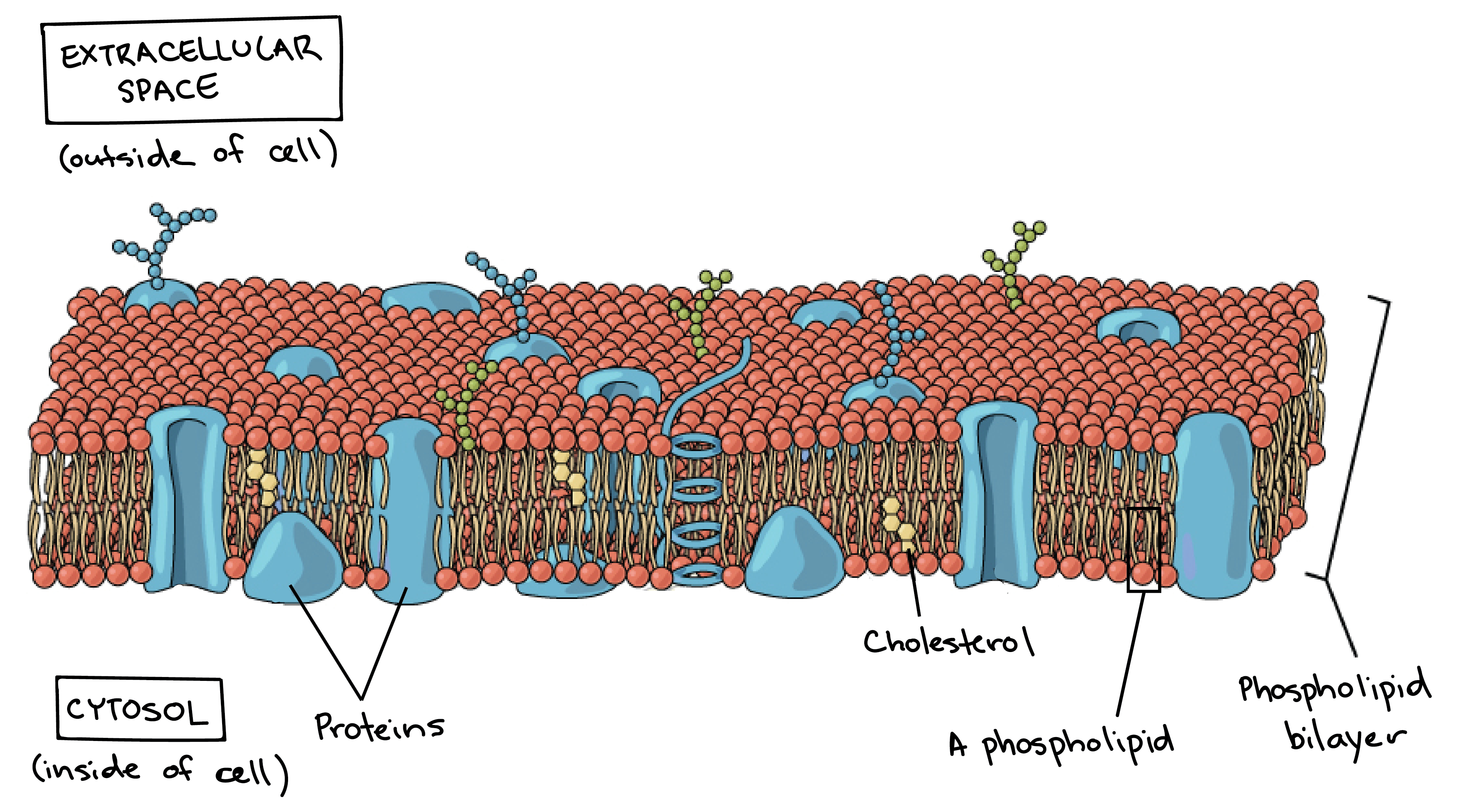 A membrane is a fundamental element of living beings. It defines the frontier of the being (in and out). It characterises how that being relates to its environment, what the being interchanges permanently. Membrane is one of the most critical elements of our collective settlements, one that needs reshaping, redefinition and new embodied thinking. It is intimately connected to our sense of belonging. Reflecting on some examples: - Country level passport or ID is a membrane element that defines if you belong to that country or not. - Payroll can define to each organisation you belong. - Your address can define to each place you belong. Yet, all of the above elements are not complete or accurate definitions of belonging. In fact they all are problematic in defining "belonging". The invite is therefor to consider "belonging" as a central aspect Membrane definition.Membrane and Belonging have a clear tangible implications when we approach complex humana settlements such as a Village, a City or a Bioregion
Please consider the following reflective meditation suggestions to expand your Membrane and Belonging understanding. - Reflect on your sense of belonging (both thinking on situations were you feel belonging or the opposite). - Consider the membranes to your house, your village, your bioregion, your organisation(...) - Reflect and identify the disfranchised of belonging humans that are not in any of the above membrane types - Formulate a sense of invite to your defined membranes - Whenever you notice a difficulty in the invite contrast your "right of belonging" with the right of that someone else you could not invite. # Preparing for DHO Unboxing In this section we will describe what elements you need to prepare, think, discuss and define. # Purposing ## Purposing # Shared Doing ## Pods, Roles, Circles, Quests, .... # Value Creation and Distribution ## Value Creation and Distribution # Governance # Colective Sensing